
Reshaping Corporate Narratives with AI in Storytelling
- Eddy Jackson MBE

- Apr 22
- 4 min read
In today’s fast-paced digital world, storytelling is no longer just an art - it’s a strategic tool that shapes how organisations connect with their audiences. But how do we keep stories fresh, authentic, and impactful when technology is evolving so rapidly? The answer lies in the exciting realm of AI in storytelling. I’m here to take you on a journey through how artificial intelligence is transforming corporate narratives, making them more engaging, personalised, and powerful than ever before.
The Power of AI in Storytelling: A New Chapter for Corporate Communication
Storytelling has always been at the heart of human connection. It’s how we share values, inspire action, and build trust. Yet, in the corporate world, crafting compelling narratives that resonate across diverse audiences can be challenging. This is where AI steps in as a game-changer.
Imagine having a tool that analyses vast amounts of data to understand what your audience truly cares about. AI can identify trends, preferences, and emotional triggers that help tailor stories to specific groups. This means your message isn’t just broadcasted; it’s felt.
For example, a company launching a new product can use AI to generate multiple story angles based on customer feedback and market sentiment. This allows marketers to test and refine narratives quickly, ensuring the final story hits the mark every time.
Moreover, AI-powered language models can assist in drafting content that maintains brand voice consistency while adapting tone and style for different platforms. Whether it’s a LinkedIn post, a press release, or a video script, AI helps keep the story coherent and compelling.
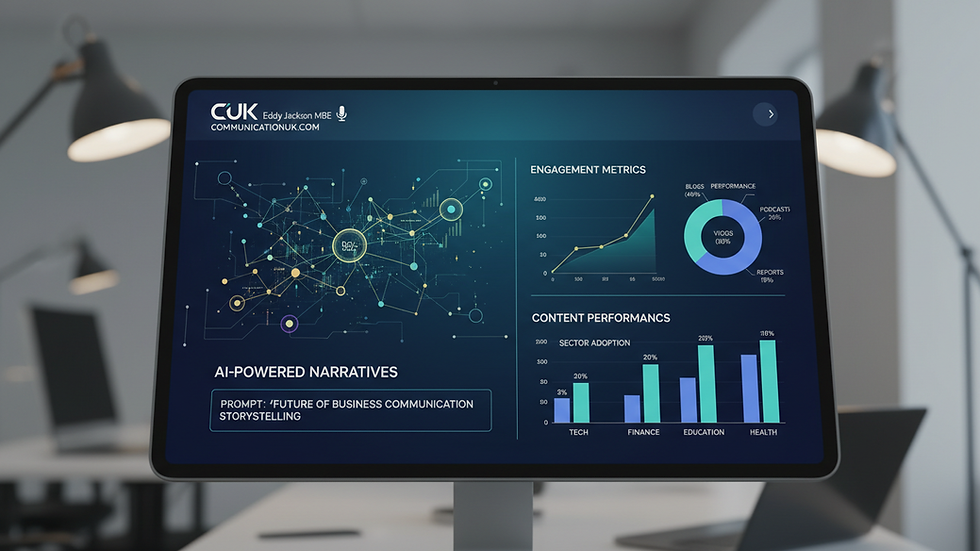
How AI in Storytelling Enhances Engagement and Authenticity
You might wonder, can AI really capture the human touch that makes stories memorable? The answer is yes - when used thoughtfully.
AI tools can analyse sentiment and emotional cues from social media, reviews, and customer interactions. This insight allows storytellers to craft narratives that resonate on a deeper level. For instance, if data shows customers value sustainability, the corporate story can highlight eco-friendly initiatives authentically rather than superficially.
Another exciting development is AI’s ability to personalise stories at scale. Imagine sending tailored messages to thousands of clients, each reflecting their unique interests and history with your brand. This level of personalisation was once impossible without massive resources, but AI makes it achievable and efficient.
However, it’s crucial to remember that AI is a partner, not a replacement. The best stories come from human creativity guided by AI’s analytical power. This collaboration ensures narratives remain genuine and avoid sounding robotic or generic.
Practical Ways to Integrate AI into Your Corporate Storytelling
Ready to bring AI into your storytelling toolkit? Here are some actionable steps to get started:
Leverage AI for Audience Insights
Use AI-driven analytics platforms to gather data on your audience’s preferences, behaviours, and feedback. This will inform the themes and messages that matter most.
Experiment with AI Content Generation
Try AI writing assistants to draft initial story versions. Use these drafts as a foundation to build upon, adding your unique voice and perspective.
Personalise Communication at Scale
Implement AI tools that customise emails, social media posts, and website content based on user data. This creates a more engaging and relevant experience.
Monitor and Adapt Stories in Real-Time
Use AI to track how your stories perform across channels. Adjust narratives quickly based on engagement metrics and sentiment analysis.
Train Your Team on AI Storytelling Tools
Encourage your communications team to learn about AI capabilities and limitations. This knowledge empowers them to use AI effectively without losing the human element.
By embracing these strategies, organisations can create dynamic narratives that evolve with their audience and market conditions.

The Future of Corporate Narratives: Embracing Generative Narrative
Looking ahead, the concept of "Generative Narrative" is set to revolutionise how brands communicate. This approach combines AI’s generative capabilities with human insight to produce stories that are not only data-driven but also imaginative and adaptive.
Generative Narrative means stories can be continuously updated and personalised in real-time, responding to changes in audience sentiment, market trends, or even global events. This agility ensures brands stay relevant and connected in an ever-changing landscape.
For example, a global company could use generative narrative techniques to tailor its messaging for different regions, languages, and cultural contexts without losing the core brand identity. This level of sophistication was unimaginable just a few years ago.
If you want to explore how to harness this potential, consider partnering with experts who specialise in AI storytelling. They can guide you through the process of integrating AI tools while maintaining a strong, authentic voice.
One resource I highly recommend is ai for corporate storytelling, which offers insights and strategies tailored to organisations looking to master this new frontier.
Unlocking the Human-Centred Potential of AI in Storytelling
At the heart of all this technology lies a simple truth: stories are about people. AI should never overshadow the human element but rather amplify it. When we use AI to understand and connect with our audiences better, we create narratives that inspire, motivate, and build lasting relationships.
Here are some final thoughts on making AI work for your corporate storytelling:
Focus on empathy: Use AI insights to understand emotions and values, not just demographics.
Maintain transparency: Be open about how AI supports your storytelling to build trust.
Keep creativity alive: Use AI as a tool, but let human imagination lead the way.
Invest in skills: Equip your team with the knowledge to blend AI and storytelling effectively.
By embracing these principles, we can reshape corporate narratives into vibrant, meaningful stories that stand out in a crowded digital world.
The journey of reshaping corporate narratives with AI is just beginning. Together, we can explore this exciting landscape, blending technology and humanity to tell stories that truly matter. Are you ready to start your own AI storytelling adventure?


Comments